
Understanding Support and Resilience for Police Officers Working Child Exploitation Cases
Zeast Kamal, supervised by Dr. Lauren Bryan and Prof. Amina Memon, Royal Holloway University and Prof. Becky Milne, University of Southampton
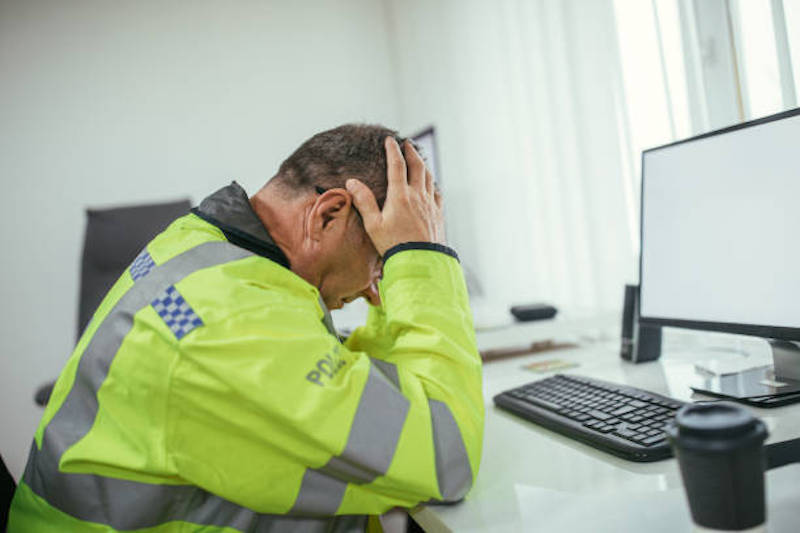
This study seeks to understand how police officers investigating child exploitation cases manage the emotional demands of their work, focusing on the personal and organisational supports that best help them cope. Research shows that officers in these roles often face “secondary traumatic stress” due to repeated exposure to traumatic material, which can lead to increased stress, burnout, and symptoms akin to PTSD (Hurrell et al., 2018; Cronje et al., 2020). Organisational factors, such as high workloads and limited mental health resources, further exacerbate these challenges (Drew & Williamson, 2024).
Despite these risks, some officers report experiencing “compassion satisfaction”—a sense of fulfilment from helping others—which appears to protect against burnout and promote resilience (Turgoose et al., 2017; Burnett et al., 2020). However, little is known about which specific forms of support—both personal and from the workplace—are most effective in fostering resilience in officers handling child exploitation cases. Through both survey analysis and in-depth interviews, this study will explore these support factors in detail, aiming to identify practical strategies that can enhance well-being and resilience among officers in these demanding roles.
Research Questions and Approach
First, we will analyse responses from an existing survey of 91 UK officers, examining how personal factors like age, experience, and caregiving responsibilities relate to secondary trauma, burnout, and compassion satisfaction. This analysis will address our first research question: How do sociodemographic factors (age, gender, culture, education, caregiving responsibilities, and employment status) relate to officers’ levels of stress, burnout, and compassion satisfaction?
To gain a richer understanding, subject to the approval from the University Ethics C’tee we would like to conduct semi-structured interviews with officers. These conversations will explore how officers manage the unique stressors of their roles, including the specific types of organisational and personal support that help them. By hearing directly from officers, we will address our second research question: What forms of personal and organisational support are perceived as beneficial in managing secondary trauma? This will include examining organisational factors, like workplace policies or mental health resources, and personal factors, such as coping strategies and social support networks.
Expected Outcomes
By exploring both survey data and direct insights from interviews, we aim to identify the types of support and coping strategies that are most valuable to officers in the field. The findings could inform policies and programmes that help reduce burnout, strengthen resilience, and foster a healthier, more supportive work environment. Ultimately, the goal is to support officers’ well-being, ensuring they have the resources needed to manage the unique demands of their roles effectively.